There are no items in your cart
Add More
Add More
| Item Details | Price | ||
|---|---|---|---|

Mental Wellness Guide
A quiet, honest guide to understanding what you're feeling — and what you can do about it.
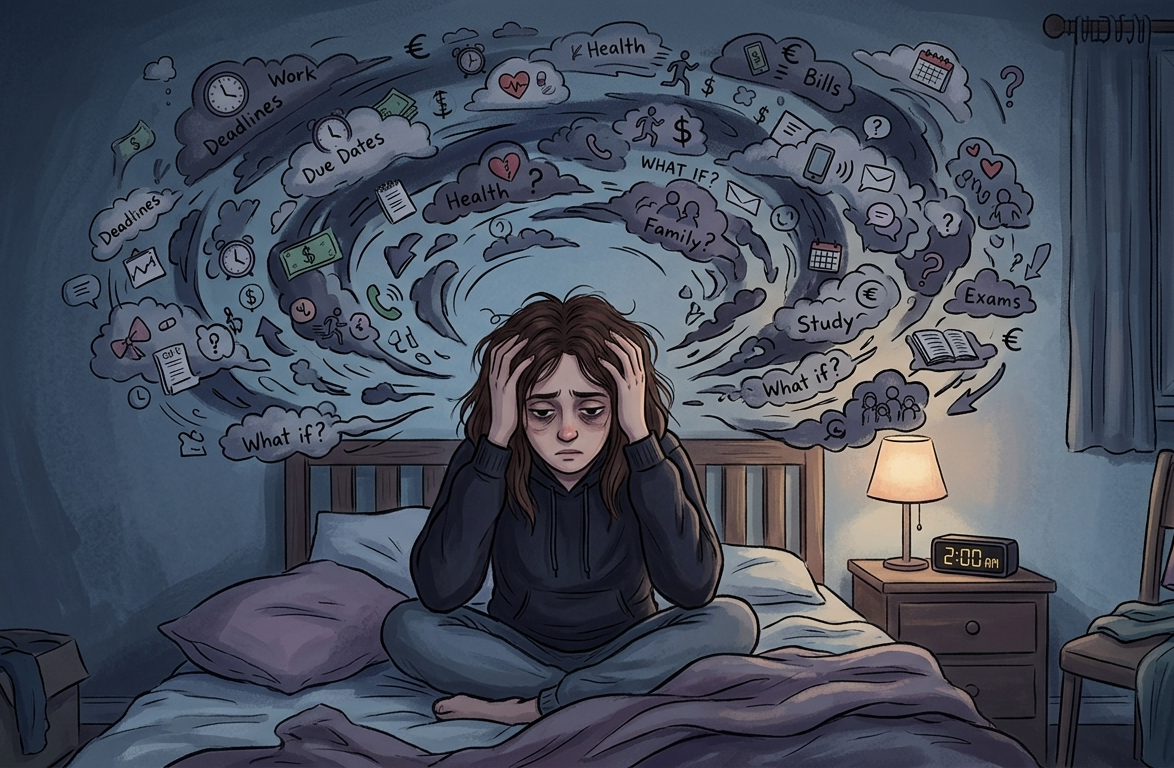
We all have tough days. But when those days start blurring into weeks — when getting out of bed feels like climbing a mountain, or your mind won't stop racing at 2 a.m. — something more may be going on. Stress, anxiety, and depression are real, common, and treatable. You're not alone, and you're not broken.
These conditions often show up together, and they can look different in everyone. Here are some honest signs worth paying attention to:
Can't switch off anxious thoughts, even over small things
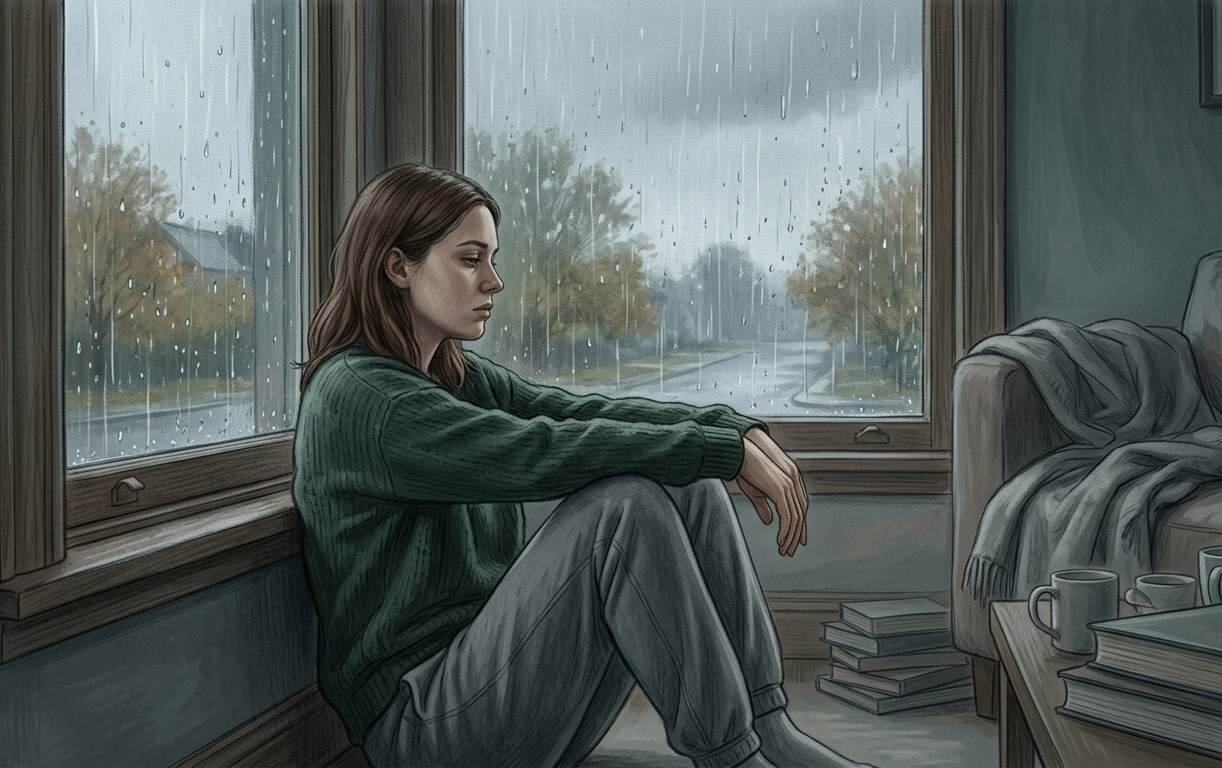
Feeling flat, empty, or hopeless for days on end
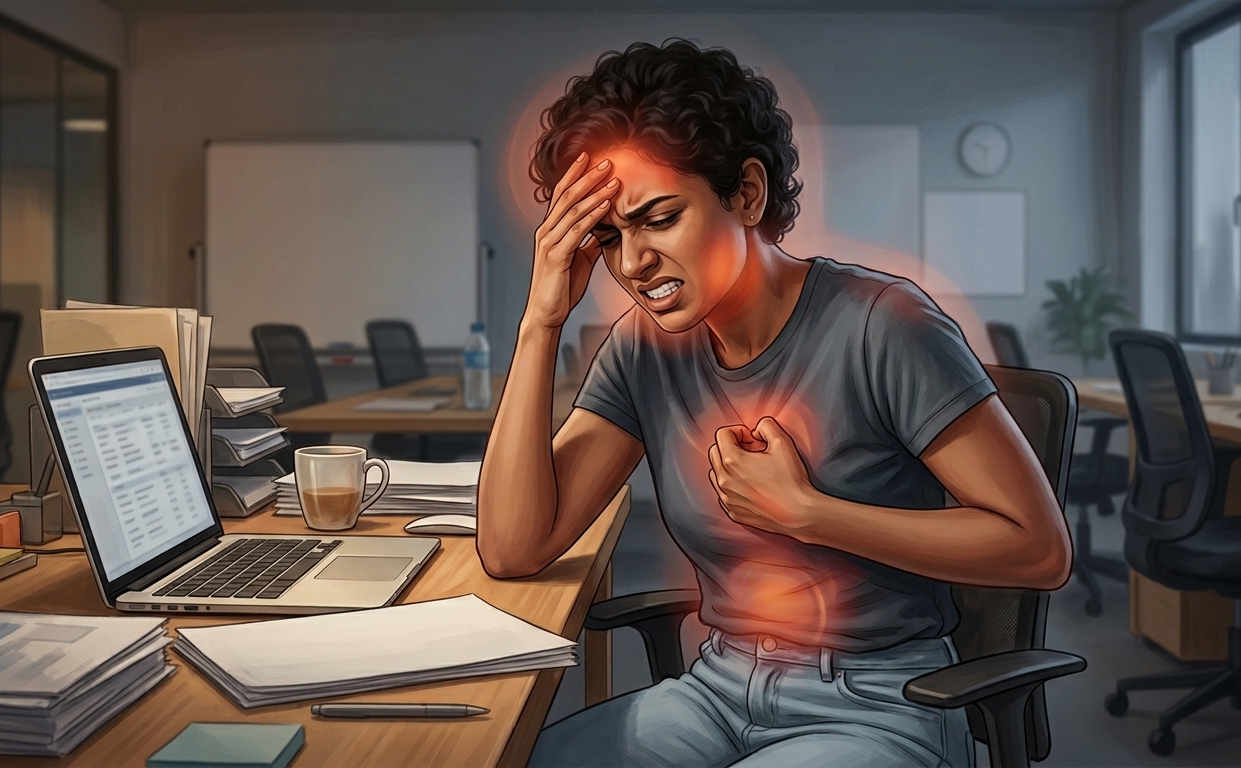
Tight chest, headaches, jaw clenching, or upset stomach
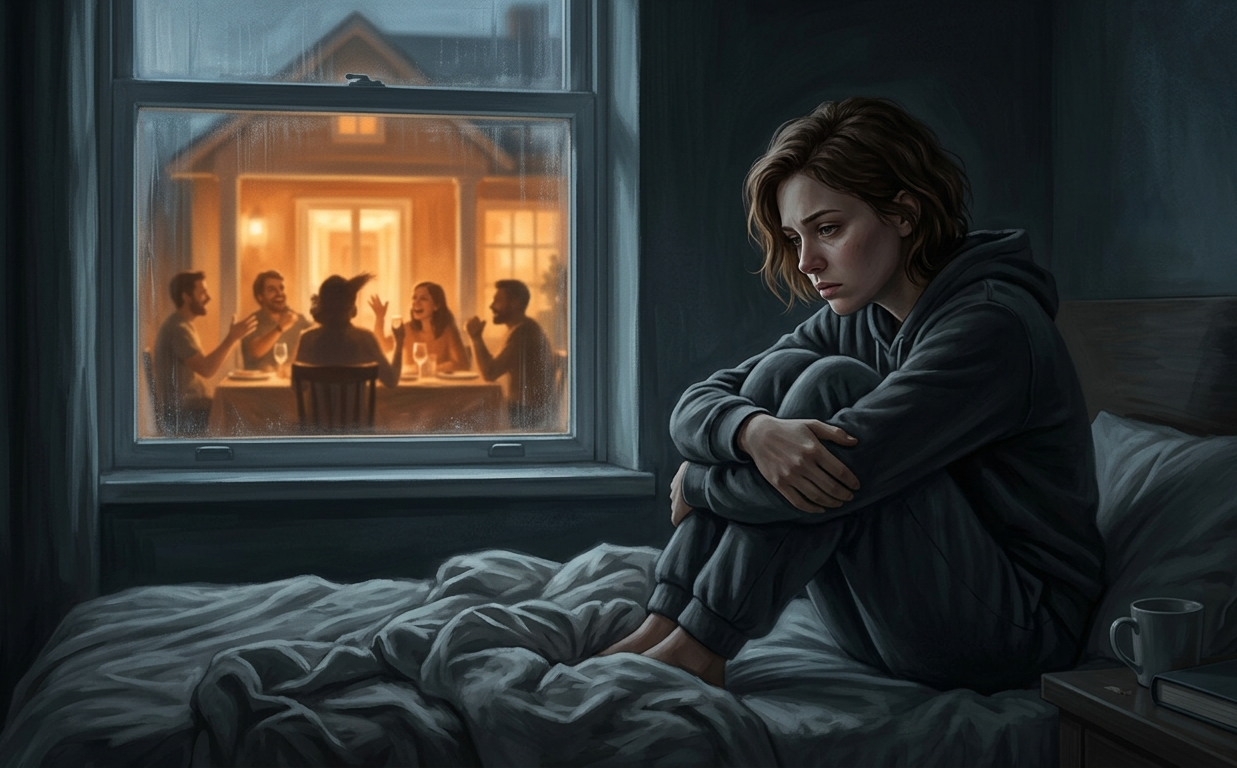
Pulling away from people, activities, or things you used to enjoy
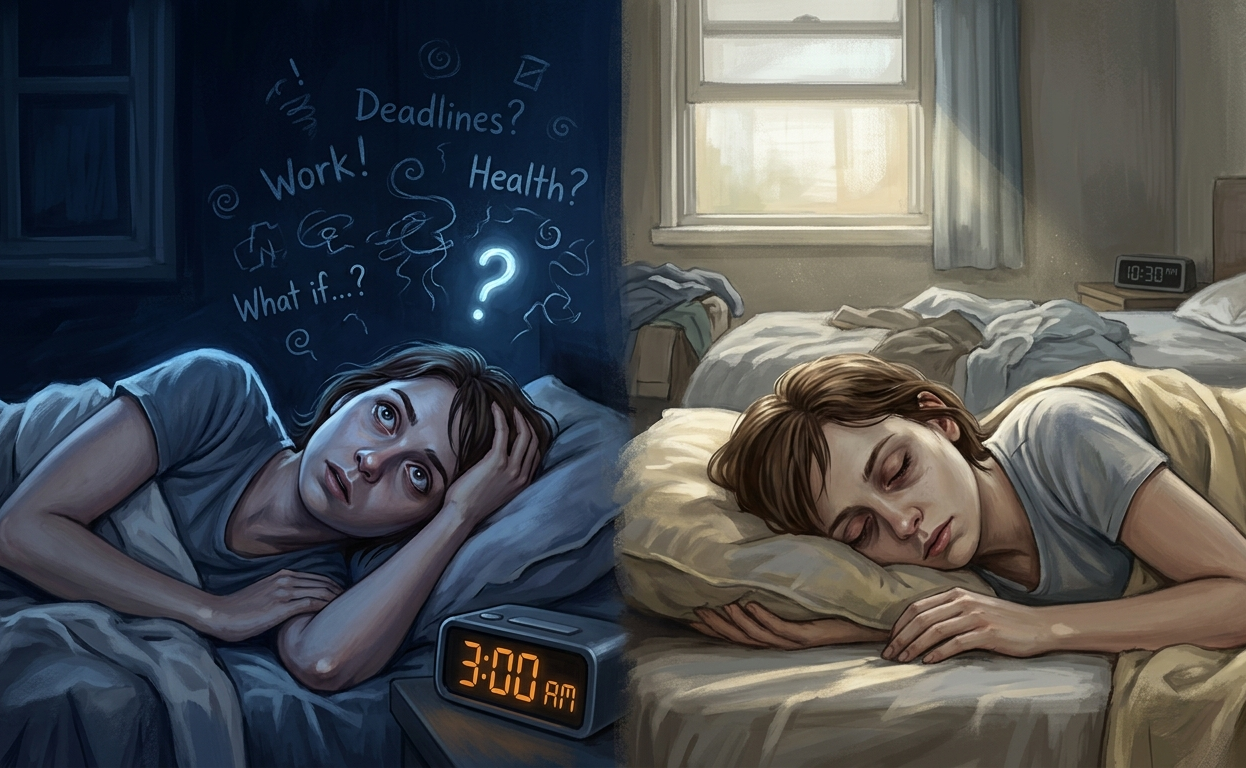
Sleeping too much, too little, or waking up exhausted
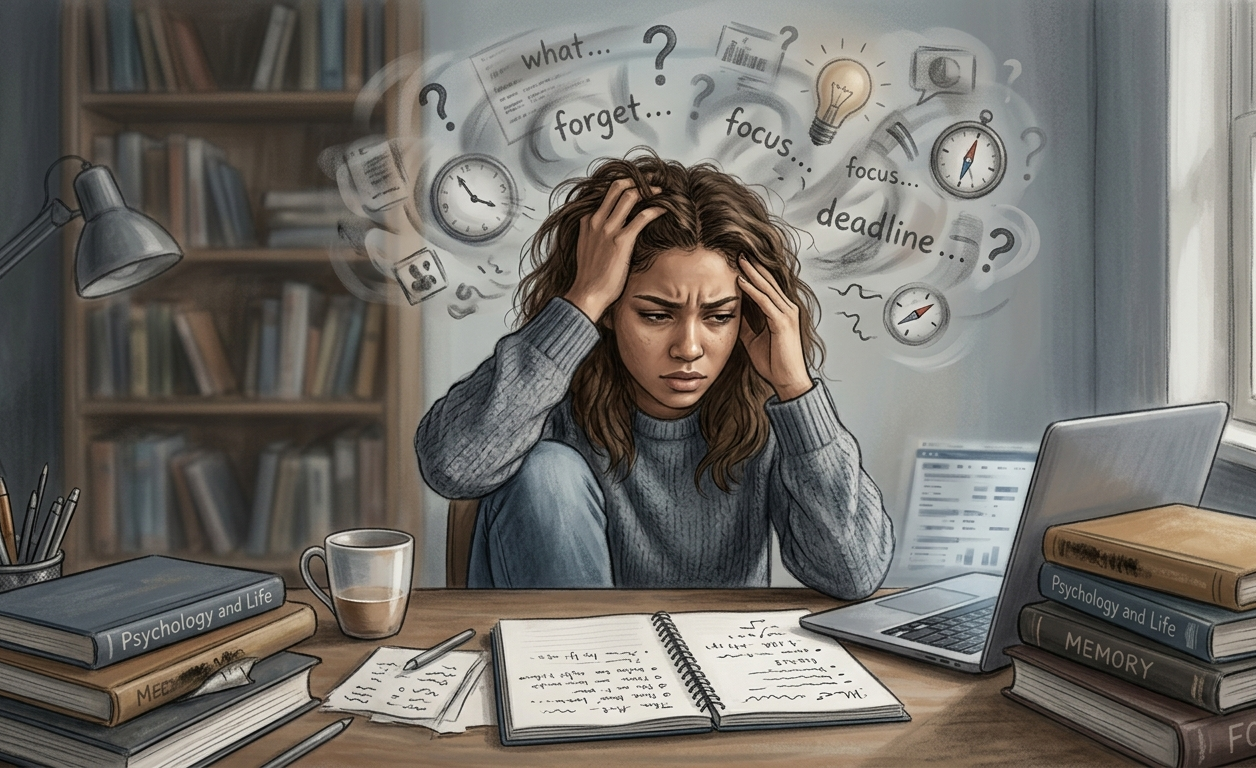
Forgetfulness, brain fog, or trouble making simple decisions
If several of these resonate with you — especially for more than two weeks — it's not a weakness to acknowledge it. It's wisdom.
There's no one-size-fits-all fix, but these approaches are evidence-backed and genuinely helpful for most people:
Even 5 minutes of slow, deep breathing (inhale 4 counts, exhale 6) calms your nervous system fast.
A 20-minute walk can reduce cortisol significantly. You don't need a gym — just movement.
Reduce doomscrolling, caffeine after noon, and working right up to bedtime — small changes, big impact.
Journaling helps you offload mental clutter. Three honest sentences a day is enough to start.
A trusted friend, a support group, or a therapist — being heard makes a measurable difference.
Self-care is real and it matters — but sometimes it's not enough on its own. That's not a failure. It means your brain needs more support, and that support exists.
Consider reaching out to a professional if your symptoms have lasted more than two weeks, if they're affecting your work or relationships, or if you're having thoughts of harming yourself. A trained therapist or psychiatrist can help you understand what's happening and build a plan that actually fits your life.
Asking for help is the bravest, most productive thing you can do for your mental health. Most people feel significantly better with the right support.
Therapy (like CBT or talk therapy), medication, lifestyle changes, or a combination — options exist. You deserve to feel well, not just functional.
Talk to a professional who can actually help — at your pace, on your terms.
Confidential · Compassionate · Available Today
 Launch your Graphy