There are no items in your cart
Add More
Add More
| Item Details | Price | ||
|---|---|---|---|

Neurology & Pain Health Guide
Headaches aren’t all the same, and honestly, you shouldn’t have to just put up with them. Figuring out what’s really going on is how you start feeling better.
Pretty much everyone gets a headache here and there. But for millions, headaches are more than an occasional annoyance — they come back again and again, stopping you in your tracks and taking a toll on your work, relationships, sleep, and just your day-to-day life. Migraines are incredibly common too. About one in seven people around the world deal with them, yet they often go undiagnosed or not treated properly.
If you’re grabbing painkillers more than a couple of times a week, lying in bed missing out on things because of head pain, or you’ve just started to accept frequent headaches as your “normal” — it doesn’t have to be that way. You deserve real relief, not just survival mode.
There’s more than one kind of headache — tension headaches, migraines, cluster headaches, even those caused by overusing medication. Each one has its own signals. Here’s what to pay attention to:
Usually on one side of your head, and it gets worse if you move or are active. That’s classic migraine territory.
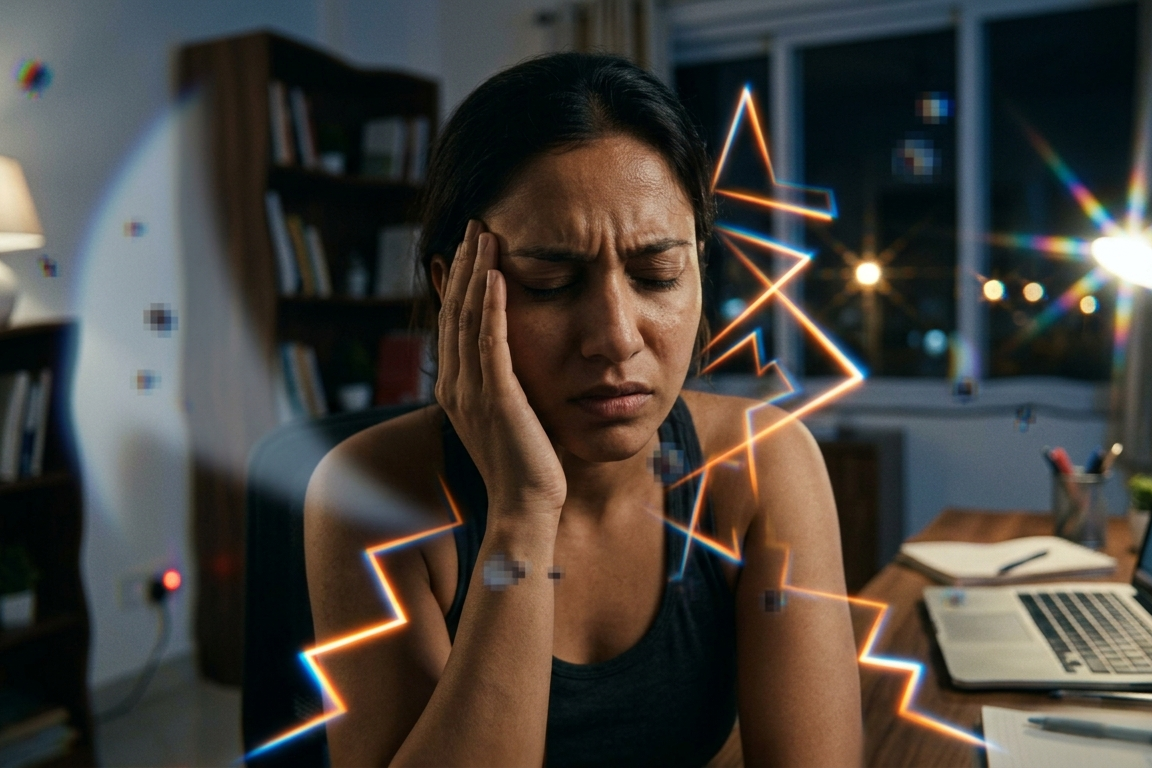
You might see flashing lights, spots, zigzags, or just have blurry vision either before or during the headache.
If you feel sick or actually throw up during the headache, it’s more likely a migraine than a standard tension headache.
If you want to hide somewhere dark and quiet because light and noise hurt, that’s another big clue.
Getting up with a headache on a regular basis? That can point to poor sleep, high blood pressure, or sleep apnea.
Headaches that show up more than half the month, or ones that keep getting longer or stronger, are worth noticing.
Seek emergency care immediately for a sudden, severe headache unlike any you've had before, headache with fever and stiff neck, or head pain after an injury.
These can mean something serious and need urgent medical attention.
Start a simple diary. Jot down what you ate, how you slept, your stress level, and when headaches happen. Patterns often jump out fast, and knowing your triggers helps you dodge them.
Being even a bit dehydrated is a common headache trigger, and lots of people overlook it. Sip water steadily all day instead of gulping down big amounts at once.
Not enough or too much sleep can both set off migraines. Going to bed and waking up at the same time (including weekends) really helps keep headaches at bay.
Stress is one of the biggest migraine triggers around. Make relaxation part of your daily routine, whether that’s meditation, muscle relaxation, or even a short walk — it genuinely reduces headache frequency.
Caffeine is tricky. For some, it helps; for others, it causes problems, especially if you skip your usual coffee or overdo it. Stick to a steady, moderate amount.
Migraines aren’t just “bad headaches.” They’re a neurological condition, and like any medical problem, they respond best to a thoughtful treatment plan — not just toughing it out.
A lot of people think, “It’s not that bad, so why bother seeing a doctor?” But if headaches are messing with your job, your home life, or your time with friends, it’s time to take them seriously. You don’t have to just grit your teeth and suffer.
You don’t have to structure your whole life around when the next headache might strike. With the right diagnosis and plan, many people start feeling a lot better in a matter of weeks.
If you’ve been dealing with headaches for months or years, depending on over-the-counter pain meds all the time, or the headaches are just getting worse, it’s not just okay to see a specialist — it’s the right thing to do. You deserve to feel good.
Book a headache and migraine consultation — and take the first step toward life without constant pain.
Confidential · Compassionate · Available Today
 Launch your Graphy