There are no items in your cart
Add More
Add More
| Item Details | Price | ||
|---|---|---|---|

Older Adult Mental Health Guide
Mental health struggles in older adults often get ignored. People chalk up depression, anxiety, and slips in memory as “just getting old,” something you’re supposed to accept and live with. That really isn’t true. Thinking this way robs people of years they could spend feeling better.
Geriatric psychiatry focuses on the mental, emotional, and brain health of older adults. Maybe you’re noticing a shift in mood, growing forgetful, sleeping badly, or just carrying heavy grief and loneliness. These aren’t just “facts of life.” They have real causes, and they can be treated — at any age — with the right support.
Mental health symptoms don’t always look the same in older people as they do in younger ones. They’re often subtle or mistaken for the normal process of aging. Look for these signs:
Sadness or a flat mood that lingers for weeks — not just a gray day here and there, but a cloud that won’t move.
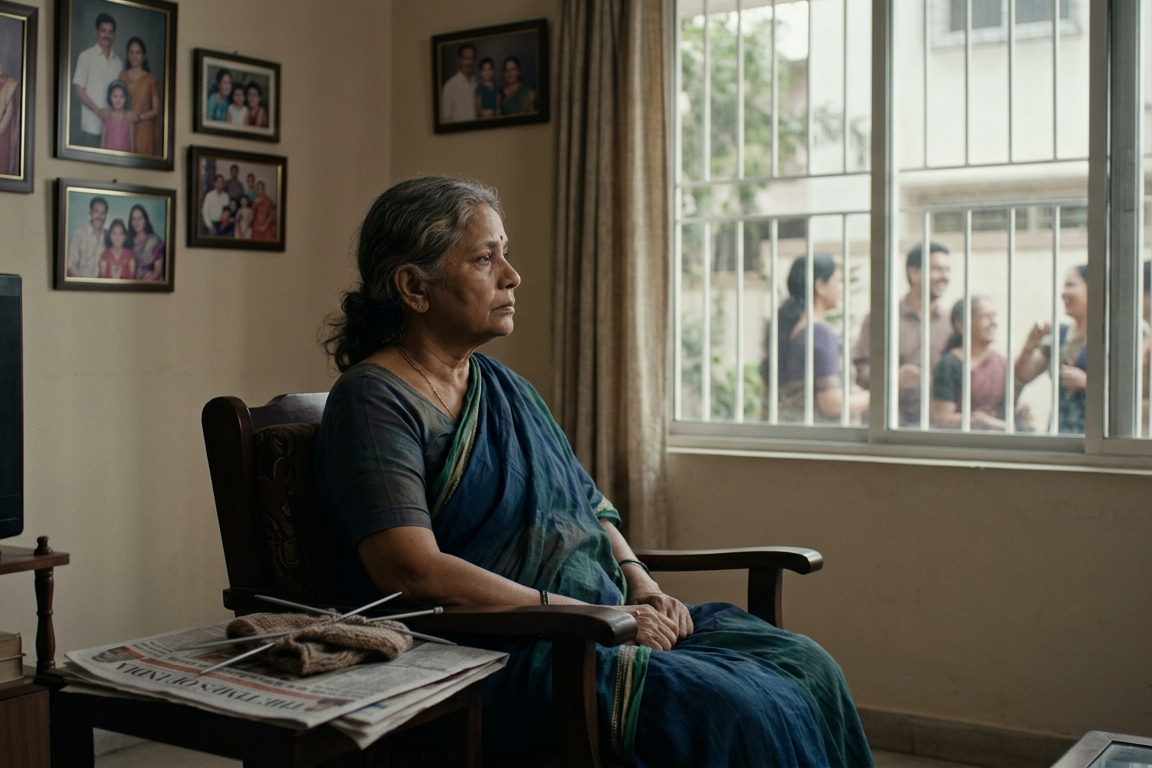
Losing interest in friends, family, or hobbies. Choosing to be alone, even when you used to be social.
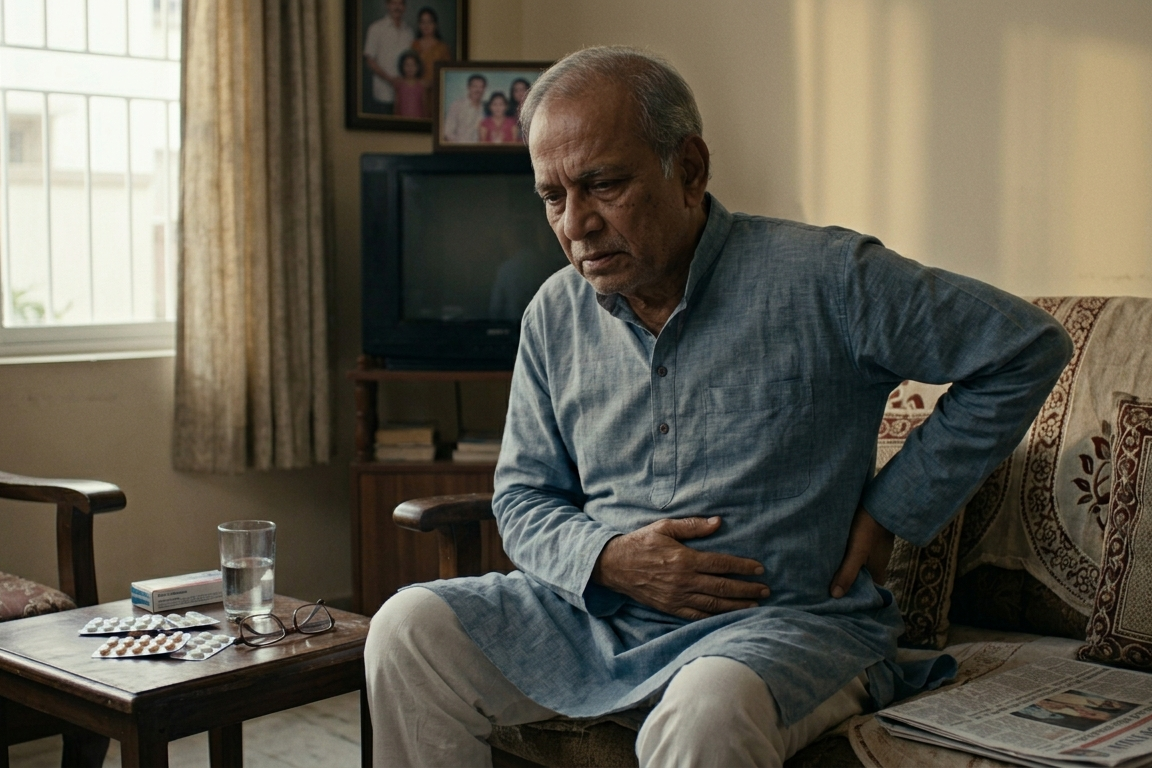
With older adults, depression often shows up as pain, nonstop tiredness, or stomach issues — not just tears or visible sadness.
Struggling to remember things that just happened, asking the same questions, or getting mixed up in familiar places.
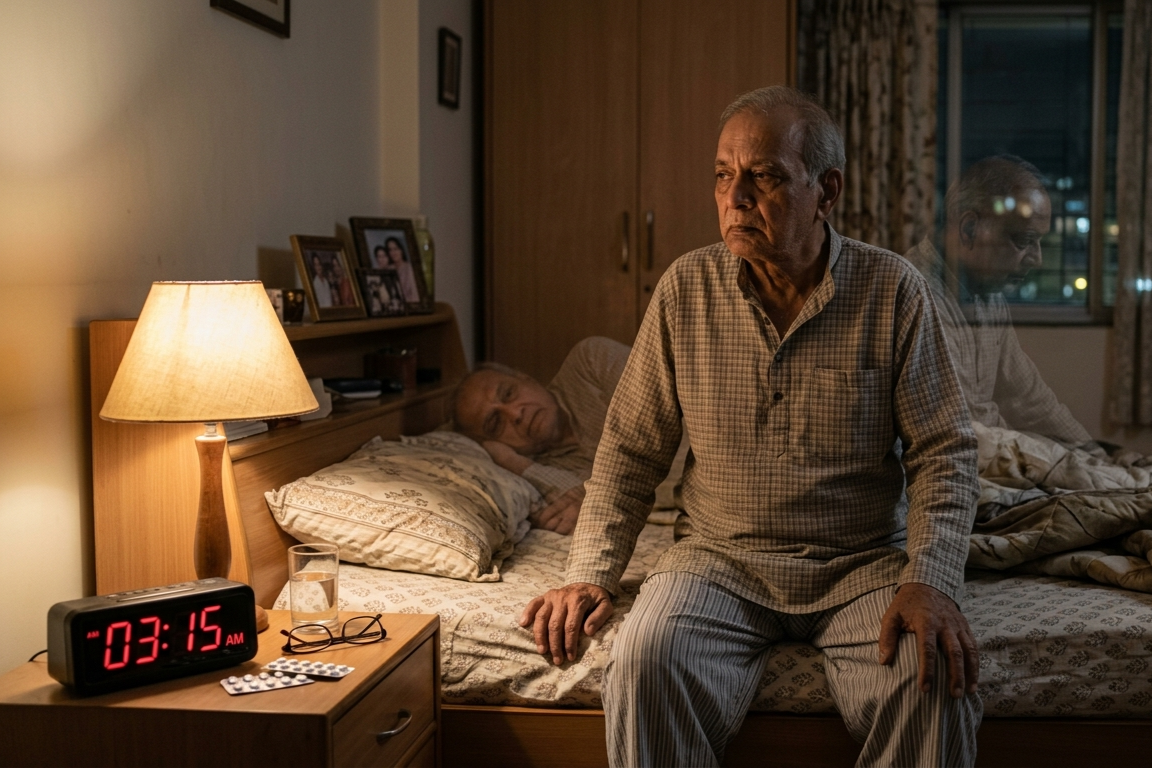
Sleeping much more or a lot less, waking up in the night, or waking up so early you can’t get back to sleep.
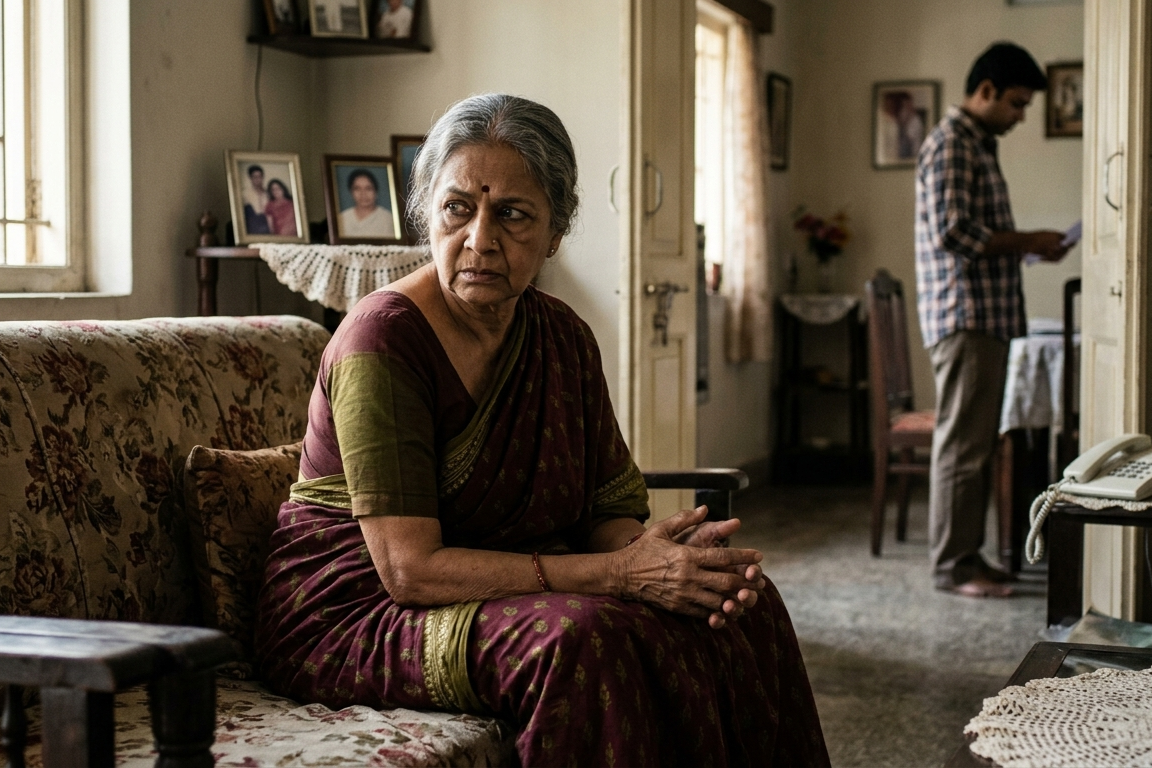
Feeling on edge, snapping at others, or suddenly becoming suspicious without reason.
Here’s the bottom line: You don’t have to just “tough it out.” These changes aren’t an automatic part of aging. About one in five older adults have depression, but most never get treatment. The first step is to notice these signs and take them seriously.
If an older adult starts talking about not wanting to live, feeling hopeless, or giving away treasured things — don’t wait. Get professional help right away. Suicide risk in older adults is higher than many realize, and these warning signs should never be brushed off.
Loneliness is a huge risk. Make time for in-person visits, regular calls, or join a community group. Real connection keeps the mind and heart healthier.
Gentle movement each day — walking, light stretching, or even chair exercises — can ease depression and anxiety, boost sleep, and help keep your mind sharp.
Having something to look forward to matters. It could be caring for your plants, spending time with grandkids, painting, or anything that gives your day shape and meaning. It protects the mind.
Getting older changes sleep, but deep rest is still important. Go to bed and wake up at the same time, keep nap times short, and let your evenings be calm and quiet.
Some prescriptions — blood pressure pills, sleep aids, pain medicine — can cause or worsen low mood and confusion. Sit down with your doctor and see if your medication list needs a tweak. It’s a small step that can make a big difference.
Mental health is not a luxury reserved for the young. Every stage of life deserves support — and the later years, with all their complexity, perhaps deserve it most of all.
Often, families notice something's off before an older adult says anything. If someone you love seems different — maybe quieter, less engaged, unusually forgetful — trust your gut. Reach out for a professional opinion. Acting early leads to better outcomes, more independence, and more good years.
It’s never too late to feel better. With the right help, older adults can recover from depression, manage anxiety, and live with more ease and dignity — truly, at any age.
If you’re an older adult worried about your mental health, or a family member concerned about a loved one, speak up. Just one appointment can put you on a better path for the future.
Book a compassionate geriatric psychiatry consultation — for yourself or for someone you love.
Confidential · Compassionate · Available Today
 Launch your Graphy