There are no items in your cart
Add More
Add More
| Item Details | Price | ||
|---|---|---|---|

Infectious & General Health Guide
Fever and the seasonal flu are two big reasons people show up at the doctor’s office. Oddly enough, they're also some of the most underestimated issues out there. A fever isn’t the real problem; it’s just your body’s signal that it’s fighting something off. And the flu? It’s not just a really bad cold. It’s a viral illness that can knock you flat for a week, and if you’re in a higher-risk group, it can get serious fast.
The seasonal flu hits hundreds of millions every year across the globe. For most, it’s miserable but manageable. But some—older adults, young kids, pregnant women, and anyone with a health condition—can tip into dangerous territory quickly. That’s why this guide exists: so you can tell what’s normal, what’s not, and when it’s time to get some help.
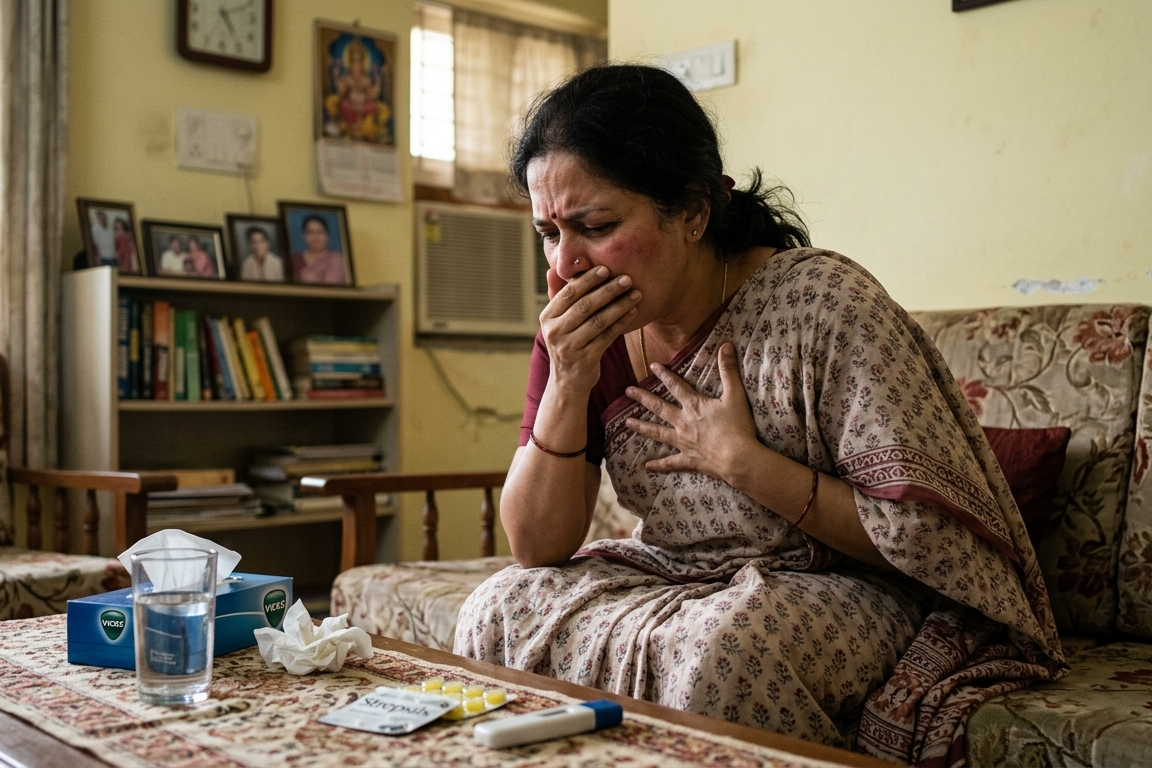
Flu and fever come on fast, and they hit hard. If you know what to look for, you’ll make smarter choices about your care:
If your temperature shoots up to 38.5°C (101.3°F) or higher—sometimes in just a few hours—and you feel wiped out with aches all over, that’s classic flu.
It’s normal to bounce between chills and sweat as your body tries to even out your temperature.
A fever means your immune system’s on the job. It’s not usually a sign of danger. In most healthy adults, the worst of the flu peaks in two or three days, and by day five or seven, things start to ease up. Rest up, drink fluids, and give it a little time.
But—if your fever climbs above 39.5°C, doesn’t come down with meds, or you’re struggling to breathe, have chest pain, throwing up non-stop, confused, or you spot a rash with the fever—don’t wait. These could all mean complications like pneumonia or another infection, and you need medical attention right away.
Fever drains your body fast. Sip on water, broths, herbal teas, or diluted juices all day—even if you don’t feel like it. Dehydration is common, but totally avoidable if you push the fluids.
Let yourself sleep and take it easy. Your immune system needs the downtime. Grinding through work or errands? Just makes everything last longer and ups your risk for complications. Real rest means closing your eyes, not scrolling on your phone.
Paracetamol or ibuprofen help if you’re uncomfortable or running a high fever. But if your temp’s under 38.5°C and you’re not suffering, you can let your body fight. Treat only when you need to feel better, not just because the thermometer says so.
The flu vaccine changes each year to match whatever’s circulating. It’s still the best way to prevent the flu and avoid complications. If you’re over 60, have young kids, are pregnant, or have a chronic health issue, this one’s especially for you.
Think of recovery as active healing, not just waiting it out. The more you rest now, the quicker you’ll bounce back.
Most people won’t need a doctor for the flu. Some do, though—it’s just about knowing which side you’re on. If you’re over 60, under 5, pregnant, or have diabetes, heart issues, asthma, or a weak immune system, don’t wait to see if you get better on your own. Call a doctor as soon as you notice symptoms. If you start treatment fast—especially antiviral meds—you can shorten how long you’re sick and how bad it gets.
Flu might be everywhere, but it’s not something to shrug off. Knowing when you’re safe at home and when to pick up the phone is just about the most important thing you can do when you get sick.
Book a consultation and get expert guidance on managing your fever or flu safely and effectively.
Confidential · Compassionate · Available Today
 Launch your Graphy