There are no items in your cart
Add More
Add More
| Item Details | Price | ||
|---|---|---|---|

Recovery & Wellness Guide
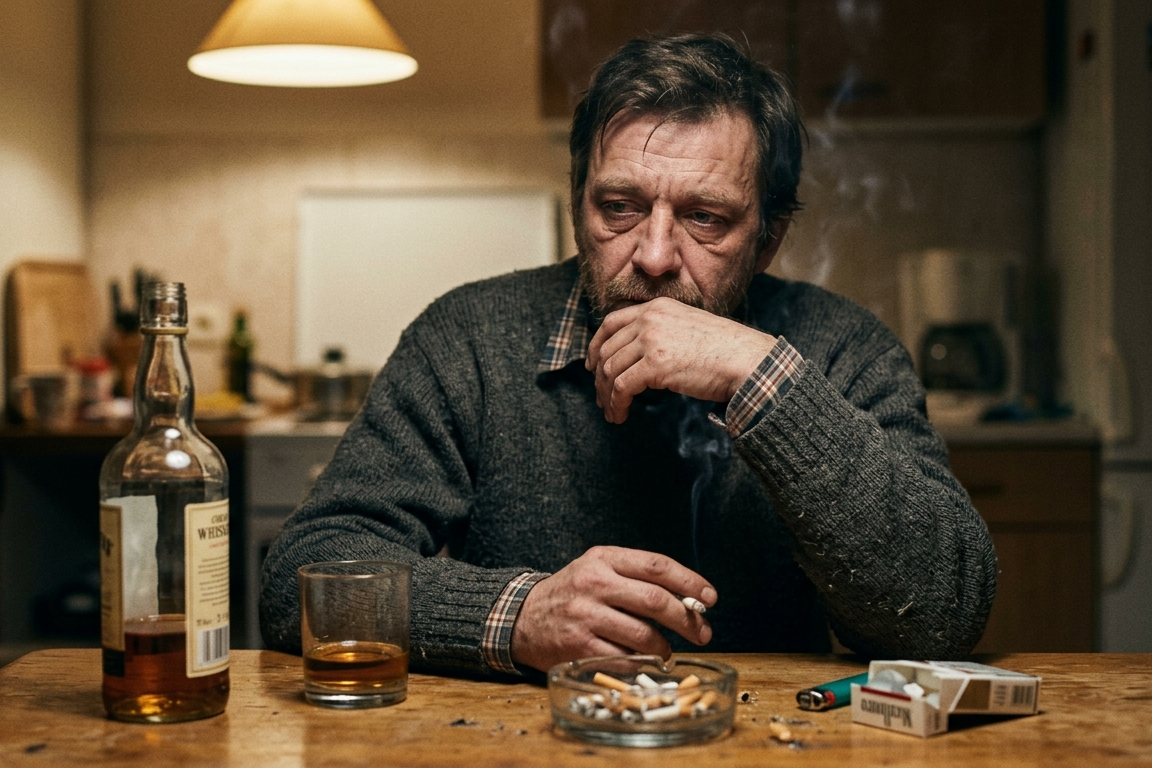
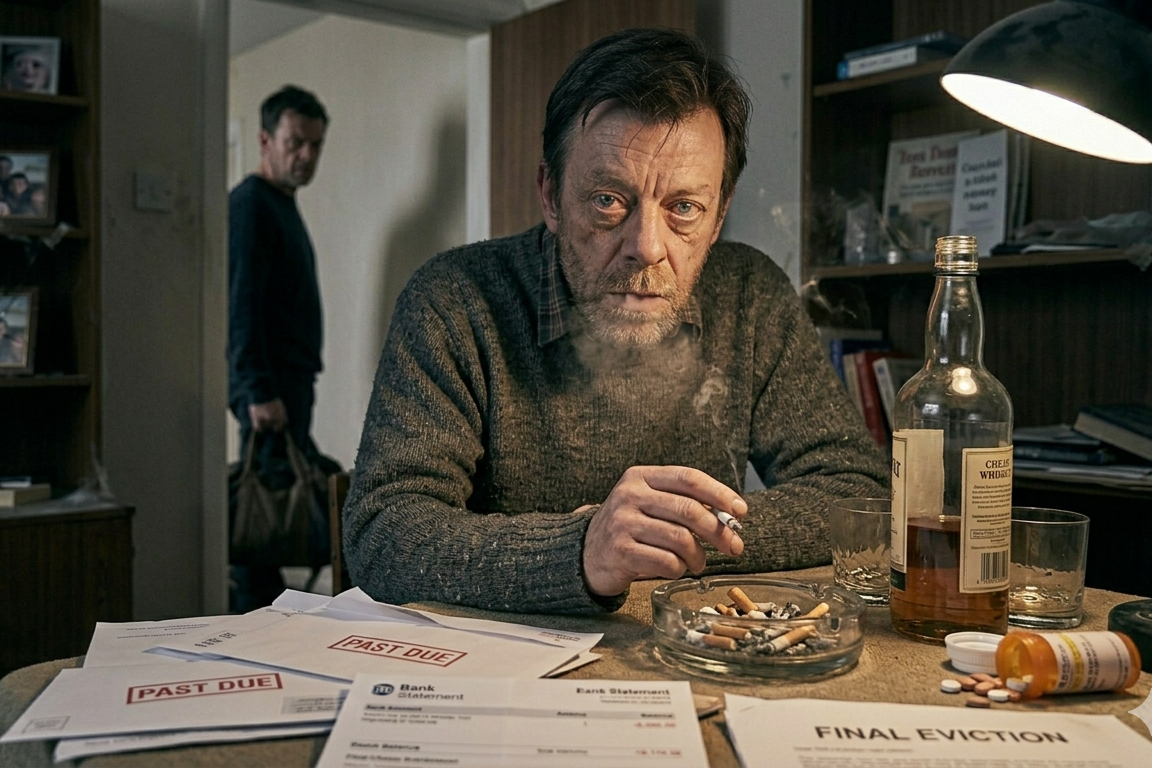
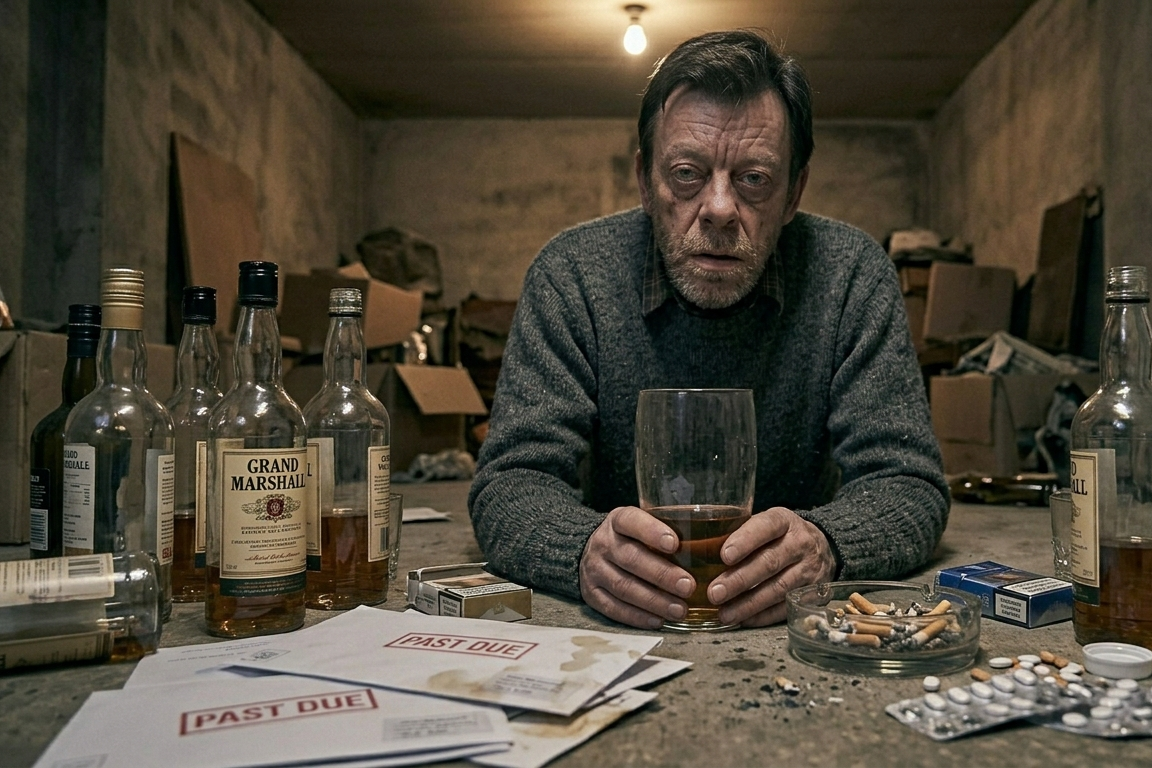
Most of the time, addiction sneaks up on people. It can start with a drink to relax, a pill to numb pain, or a habit that feels harmless. But little by little, the brain shifts, and what once felt like a choice starts to feel like the only path forward.
People can become addicted to just about anything—alcohol, tobacco, prescription drugs, recreational substances, or even certain behaviors. And with that comes a lot of shame. Honestly, shame keeps more people silent than addiction itself. It can feel like you’re trapped. But recovery is real. You can take your life back. All it takes is one honest step.
Addiction loves to hide. It builds slowly, making every new “normal” feel okay until you finally look back and realize how much has changed. Watch out for these warning signs:
You use more than you meant to, or you just can’t stop, even when you try your hardest.
Without the substance, you feel anxious, unwell, shaky, or irritable.
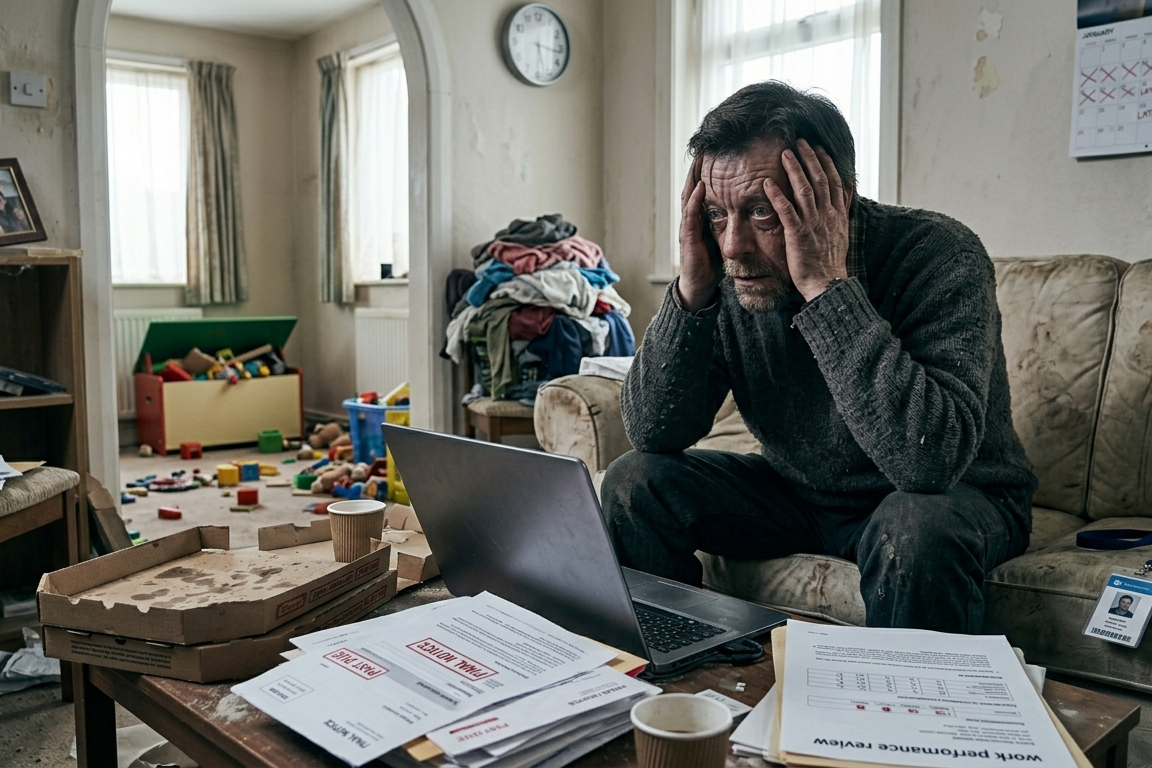
Work, family, and personal responsibilities start falling through the cracks.
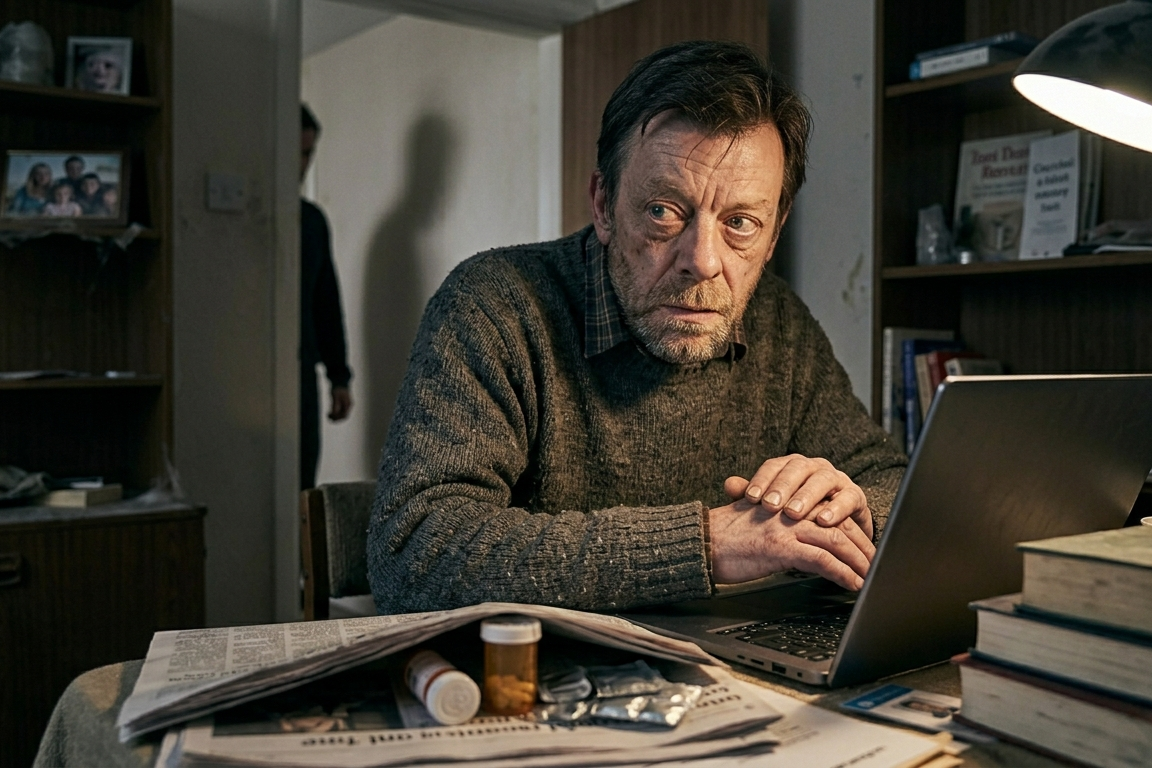
You hide how much you’re using, avoid questions, or get defensive.
You keep using, even though it’s causing clear damage to your health, relationships, or finances.
You need more and more to get the same effect—your brain has changed and needs more fuel.
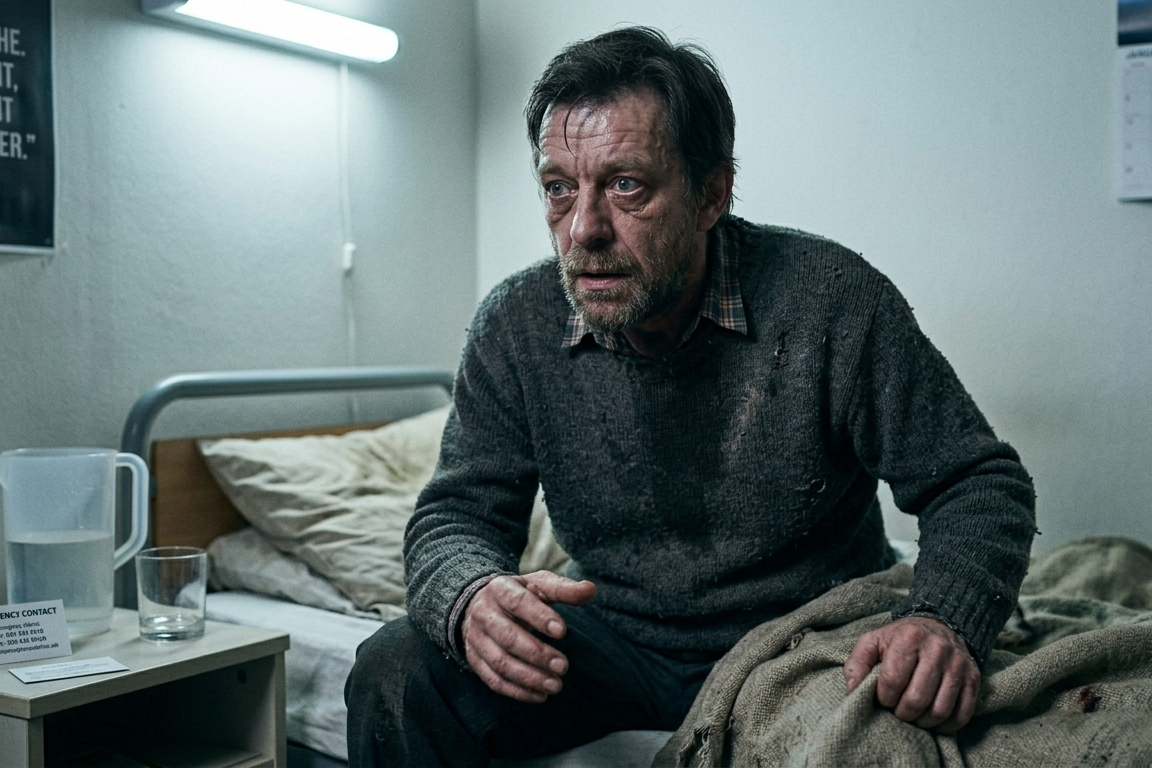
Important: If someone is showing severe withdrawal signs—confusion, seizures, or hallucinations—get emergency medical help right away. Coming off alcohol or certain sedatives can be dangerous and shouldn’t be done alone.
People, emotions, stress, even certain routines—cravings often pop up automatically. When you spot triggers, you can step out of the pattern before it locks you in.
Don’t just cut the substance and leave a hole. Find activities that motivate you—exercise, hobbies, volunteering, a new daily routine. Your brain needs a new reward.
Going through this alone makes it harder. Surround yourself with people who get it—family, friends, or a group. Real connection helps you stay on track.
Cravings spike fast but they pass—usually within 20 minutes. It helps to ride them out with breathing or mindfulness exercises, instead of acting on them.
Boredom is a big trigger. When your day has some structure—meals, sleep, activity, connecting with others—it’s easier for your mind and body to heal.
One thing to remember: relapse isn’t failure. Lots of people slip and start again. What matters is getting back up, learning what happened, and moving forward.
Willpower alone isn’t enough—not because you’re weak, but because addiction changes how the brain works. Professional counseling is built around this reality. It gives you real tools and support that actually work.
Reaching out isn’t defeat. Far from it. Picking up the phone or making that appointment is the bravest move you’ll ever make.
If you’re worried about yourself or someone you care about—no matter how “mild” or old the problem seems—don’t wait. The sooner you start, the more support you have, and the more you can truly move on.
Book a confidential de-addiction consultation — no judgment, just the right support to help you move forward.
Confidential · Compassionate · Available Today
 Launch your Graphy